


Creating a home gym is an investment in your health, consistency, and daily energy. Whether you want to target specific muscle groups like your glutes, find versatile exercise machines for full-body training, or combine a home office with a compact workout zone, pairing the right gear with a clear training plan makes all the difference.
Below is a practical guide to structuring effective home workouts, selecting space-saving equipment, and setting up a routine that fits seamlessly into your daily life.
Best Glute Exercises: Building Strength and Definition
When targeting your glutes, multi-joint compound exercises deliver the highest return by recruiting surrounding muscle groups for balanced lower-body strength:
-
Squats, Lunges, and Deadlifts: These foundational lifts load the glutes, quads, and hamstrings through a deep range of motion. Adding a barbell pad during hip thrusts or squats can also improve comfort so you stay focused on form and progressive overload.
-
Cable Glute Kickbacks and Pull-Throughs: Using ankle straps or handles on a cable system keeps continuous tension on the glutes throughout both lifting and lowering phases, which is difficult to match with bodyweight alone.
-
Standing Overhead Presses: While primarily an upper-body movement, pressing overhead requires strong glute and core bracing to keep your pelvis and lower back stable.
Structuring an Effective Bodybuilding & Strength Plan
A sustainable strength or bodybuilding training plan balances compound lifts with targeted accessory work while prioritizing gradual progressive overload:
-
Anchor with Compound Lifts: Include squats, deadlifts, presses, and rows early in your sessions when your energy and coordination are highest.
-
Follow with Isolation Work: Add targeted cable curls, lateral raises, or leg extensions toward the end of your workout to bring specific muscles closer to fatigue safely.
-
Track Progression Consistently: Gradually increasing resistance, repetitions, or time under tension week over week drives steady muscle adaptation without needing overly complicated routines.
Home Office and Gym Combo: Maximizing Space and Efficiency
With remote and hybrid schedules now common, blending a home office with a workout space allows you to fit strength sessions between meetings without commuting.
Because floor space is shared with desks and storage, bulky iron racks and single-purpose machines quickly overwhelm the room. Choosing a compact, quiet, all-in-one strength system keeps your workspace clean during the day and converts into a complete training station in seconds.
-
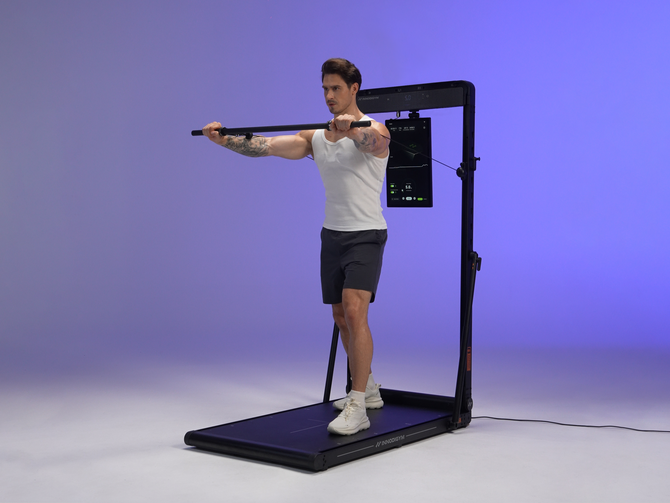
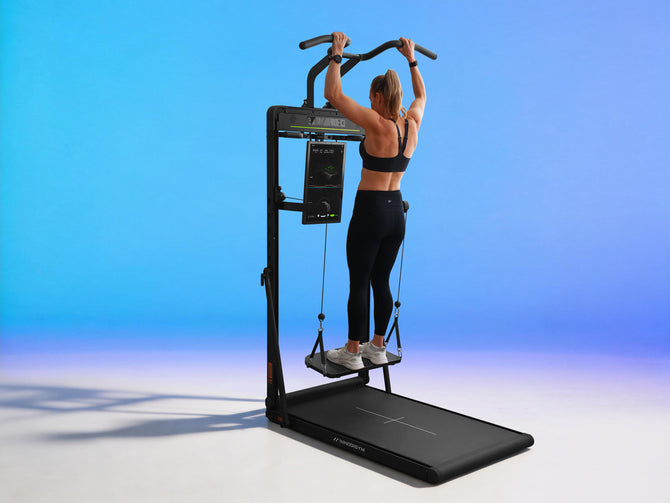
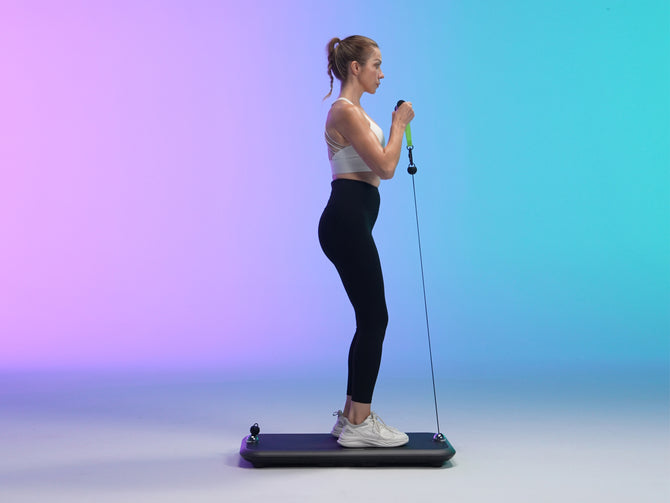
All-in-One Home Strength: Built as a freestanding digital cable platform with zero wall mounting required, the OMNI X1 Pro occupies just 0.97 m² in use and folds down to 0.12 m² beside a desk or closet. Delivering up to 265 lbs (120 kg) of smooth dual-servo digital resistance across four pre-programmed resistance modes (Standard Mode, Eccentric Mode, Spring Mode, and Isokinetic Mode), it covers heavy squats, chest presses, lat pulldowns, and lower-back cable rows in one footprint.
-
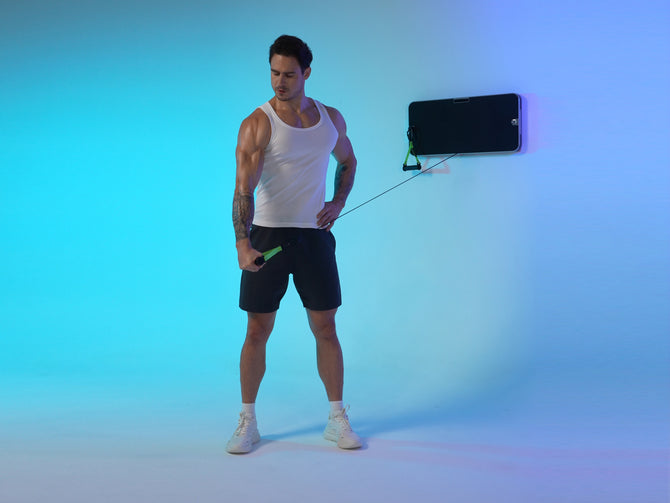
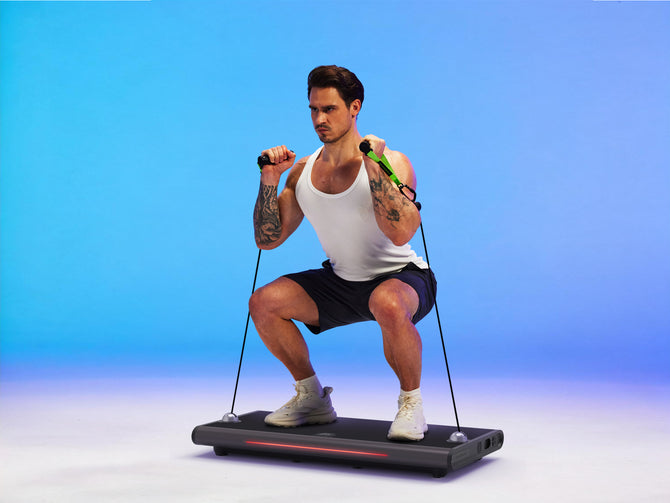
Flexible Desk-Side & Portable Training: If you want a lighter, budget-friendly entry point for quick mid-day upper-body pumps, core rotations, or travel workouts, the compact Innodigym P1 brings smooth digital cable resistance to any doorway or small corner—while the P1 Plus steps up capacity for users wanting extra load and versatility in a portable form factor.
Best Exercise Machines for a Full-Body Home Workout
The best home gym machines adapt to multiple movement patterns rather than locking you into a single exercise:
-
Multi-Angle Cable Systems: A dual-cable setup lets you transition effortlessly from lower-body lunges and pull-throughs to chest presses, rows, and rotational core exercises.
-
Cardio & Conditioning Additions: Pairing digital cable resistance with a compact rowing machine or skipping rope rounds out cardiovascular endurance while targeting your legs, core, and upper back simultaneously.
Quick Full-Body Workouts for Busy Schedules
When time is tight, a 25- to 30-minute compound circuit delivers a complete training stimulus:
-
Lower-Body Compound: Cable squats or reverse lunges (3 sets of 10–12 reps)
-
Upper-Body Push: Standing or bench cable chest press (3 sets of 10–12 reps)
-
Upper-Body Pull: Seated cable row or lat pulldown (3 sets of 10–12 reps)
-
Posterior Chain & Core: Cable pull-throughs paired with rotational woodchoppers (3 sets of 12 reps per side)
Because digital resistance changes at the tap of a button rather than swapping iron plates, you spend less time setting up and more time moving.
Practical Setup, Accessories, and Maintenance Tips
A few thoughtful details keep your home gym safe, comfortable, and easy to maintain over the long term:
-
Skip Complex Assembly Hassles: Traditional multi-stack gyms often require professional assembly services and permanent anchoring. Choosing freestanding, plug-and-play digital hardware saves setup time and lets you rearrange your room whenever needed.
-
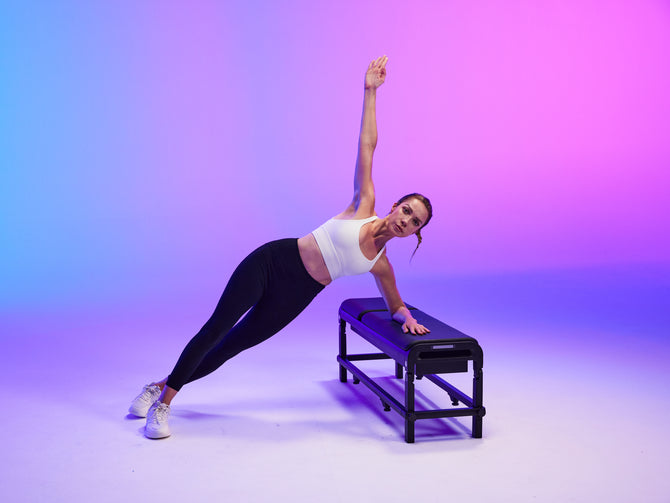
Invest in Essential Accessories: A supportive, high-density workout mat protects your floors and cushions joints during floor work, while ergonomic handles, ankle straps, and an adjustable bench unlock dozens of extra exercise angles.
-
Keep Gear Clean and Ready: Wipe down handles and mats after sessions, inspect cables and attachments periodically, and store accessories neatly in one spot so starting your next workout feels effortless.
Ready to build a versatile home gym that fits your space and schedule? Explore the Innodigym OMNI X1 Pro and P1 series to find the right smart strength setup for your goals.


